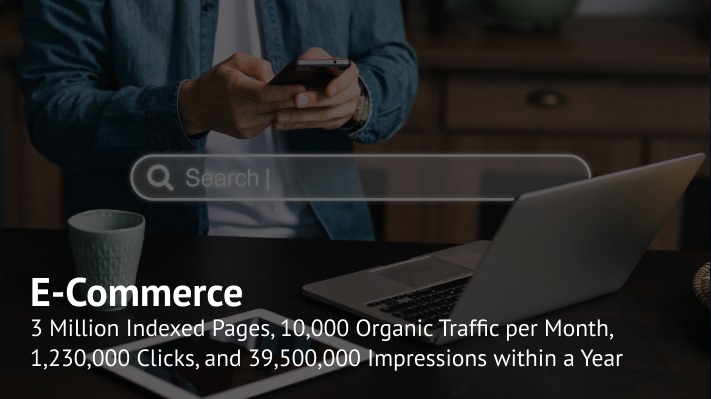
How to compete with Booking.com? That’s exactly the challenge Hutshub — a Ukrainian online service for vacation rentals — brought to us. The team was launching a new product in an extremely competitive niche, where the first pages of Google have long been dominated by Booking, Hotels24, Karpaty.info, and other major players.
Challenges:
- High competition
- Limited promotion budget
- Strong seasonality
- A custom React (JavaScript) website that complicates SEO indexing
The client approached us during the website development stage. Main goal: to build a technically sound platform and ensure a stable flow of organic traffic.
Tasks
- Provide SEO recommendations to developers during the website creation stage.
- Attract relevant organic traffic and improve the website’s visibility in search results.
- Increase conversions and leads.
- Secure top rankings for relevant commercial keywords.
Audience: Travelers and tourists (Carpathians, Odesa, Kyiv, Lviv, Bukovel); property owners renting out accommodations; families and groups of friends planning vacations.
We decided to take a strategic approach — integrating SEO from the very beginning of the website development process. This allowed Hutshub to gain a solid technical foundation, a clear structure, and a well-planned content architecture, enabling the site to start indexing from day one.
The strategy was built around three key directions:
- SEO architecture and technical recommendations — creating a website ready for promotion.
- Technical optimization and link building — building domain authority in search results.
- Content and trust growth — creating valuable content for both users and search engines.
Our SEO Strategy — From Development to Growth
Stage 1 – SEO Preparation and Strategy from Scratch
At the very start, we joined the project during the website development phase to lay a solid SEO foundation. At this stage, the Panem team developed a comprehensive SEO strategy that served as the roadmap for all subsequent work.
Key Actions:
- SEO recommendations for developers. We created detailed technical requirements covering site structure, metadata, URL formatting, mobile optimization, page speed, and proper indexing.
- Competitor and niche analysis. This helped identify opportunities to outperform others through better relevance and localization.
- Keyword research and clustering. We analyzed several thousand queries, categorizing them by topic, region, and accommodation type.
- Website architecture development. We built a user-oriented structure with clear divisions into categories, subcategories, and landing pages for specific regions and property types.
- EEAT recommendations. We strengthened the website’s credibility by optimizing the “About Us” and “Contacts” pages, adding content authorship, and linking to trusted external sources.
- Internal linking. We designed a logical internal linking system to help search engines better understand the site structure and speed up content indexing.
Stage Outcome: A scalable, SEO-optimized website architecture ready for further technical implementation.
Stage 2 – Technical Optimization and Link-Building Implementation
After the website launch, the team moved on to implementing the technical SEO strategy in practice and eliminating technical barriers that could affect indexing.
Key Actions:
- Comprehensive technical audit before release.
Creation of technical specifications for landing pages. - Implementation of category and subcategory pages.
- Link-building strategy.
- Developed a systematic plan for the gradual growth of external backlinks.
- Launched link acquisition via the Collaborator platform.
- Conducted an outreach campaign to find relevant and high-quality donors in the travel and vacation rental niches.
- Ensured natural DR growth without triggering search engine filters.
Stage Outcome: The website was fully optimized from a technical standpoint, gained its first backlink profile, and achieved stable indexing across all pages.
Stage 3 – Content Promotion and Authority Building
At this stage, SEO promotion evolved into a systematic process of developing content and strengthening the backlink profile.
Key Actions:
- Developed a content plan for the blog focused on search queries like “where to go in the Carpathians” and “rent a cabin near Bukovel.”
- Prepared SEO briefs for copywriters — with clear requirements for structure, keywords, and internal linking.
- Continued link building through placements in travel blogs, local media, and vacation directories.
- Set up performance monitoring via GA4 and GSC to track CTR, rankings, and engagement metrics.
Stage Outcome: The website achieved steady organic traffic growth, reached the Top 3 positions for most commercial queries, and hit 1,100 daily visitors — all without any paid advertising budget.
Results — From Zero to Top of Google Rankings
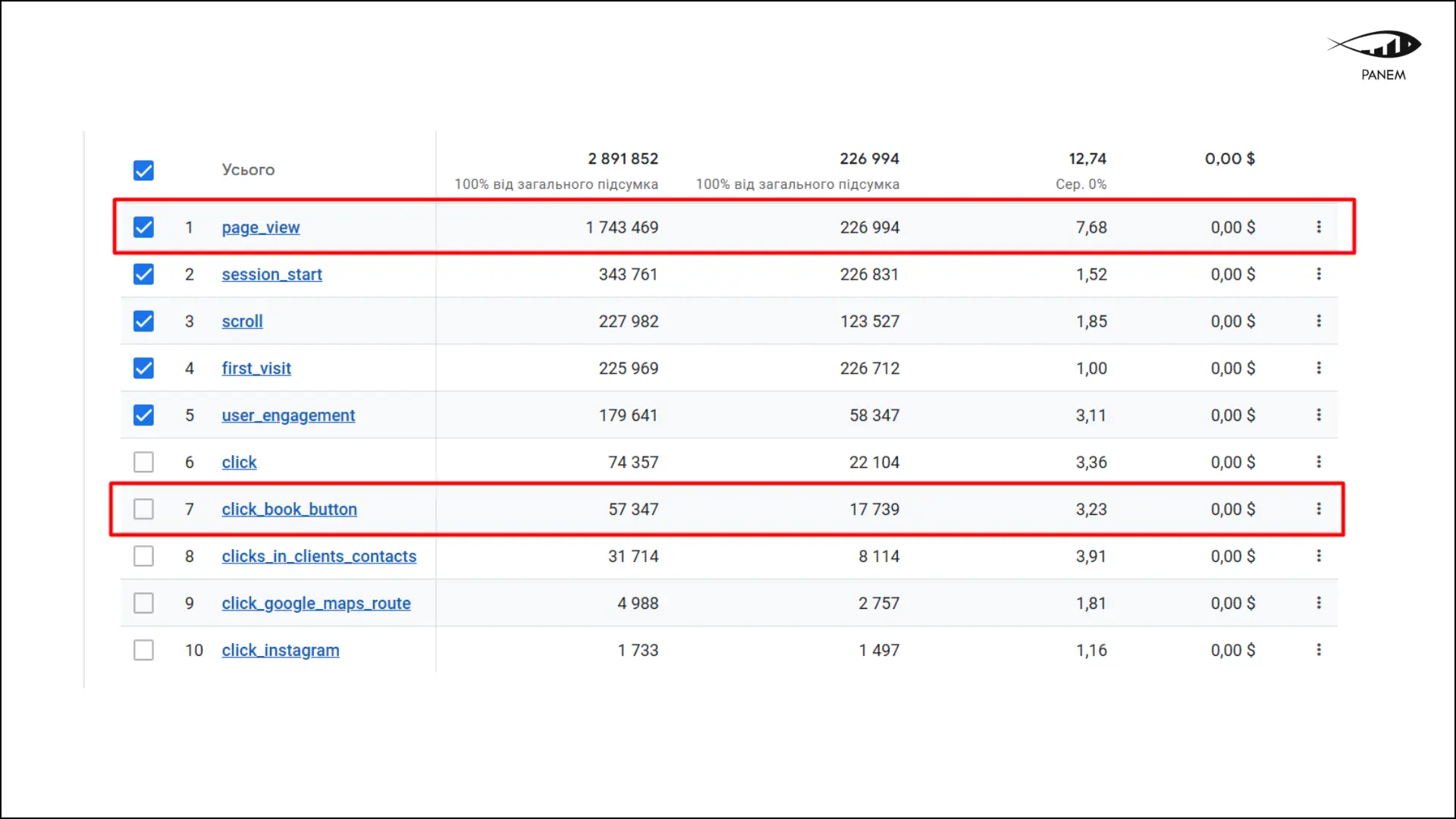
- GA4 data confirms strong user engagement with the website.
Over 2.8 million events were recorded during the promotion period, including:
- 1.7 million page views
- 57,000 clicks on the “Book” button — the site’s main micro-conversion.
Thanks to SEO optimization, users not only found the website through search but also actively interacted with it.
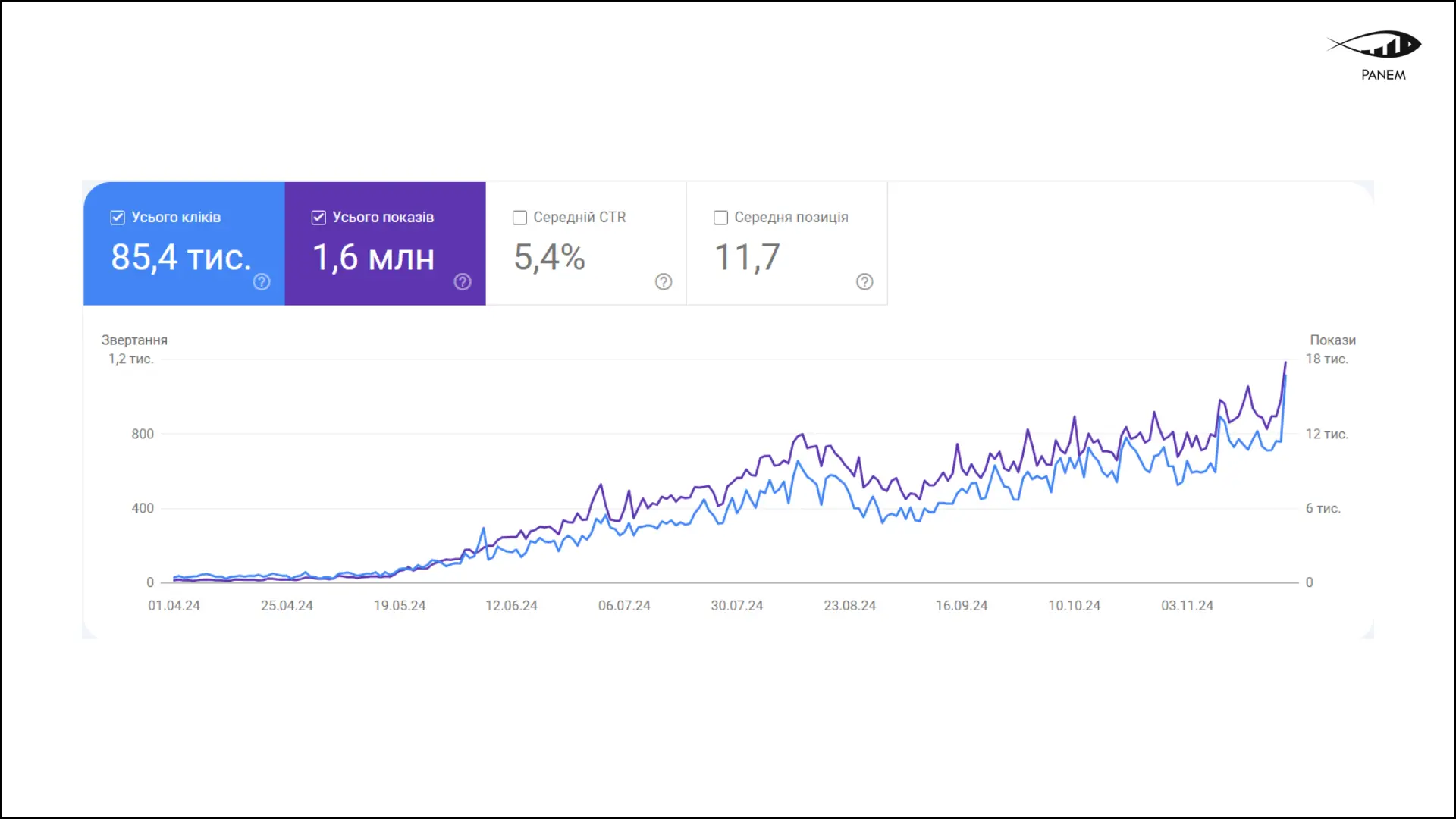
2. Steady Growth of Organic Traffic Over 6 Months. From April to November 2024, the website received over 85,000 clicks and 1.6 million impressions in Google Search. The chart shows a gradual increase in visibility and clicks following complete SEO optimization and technical launch.
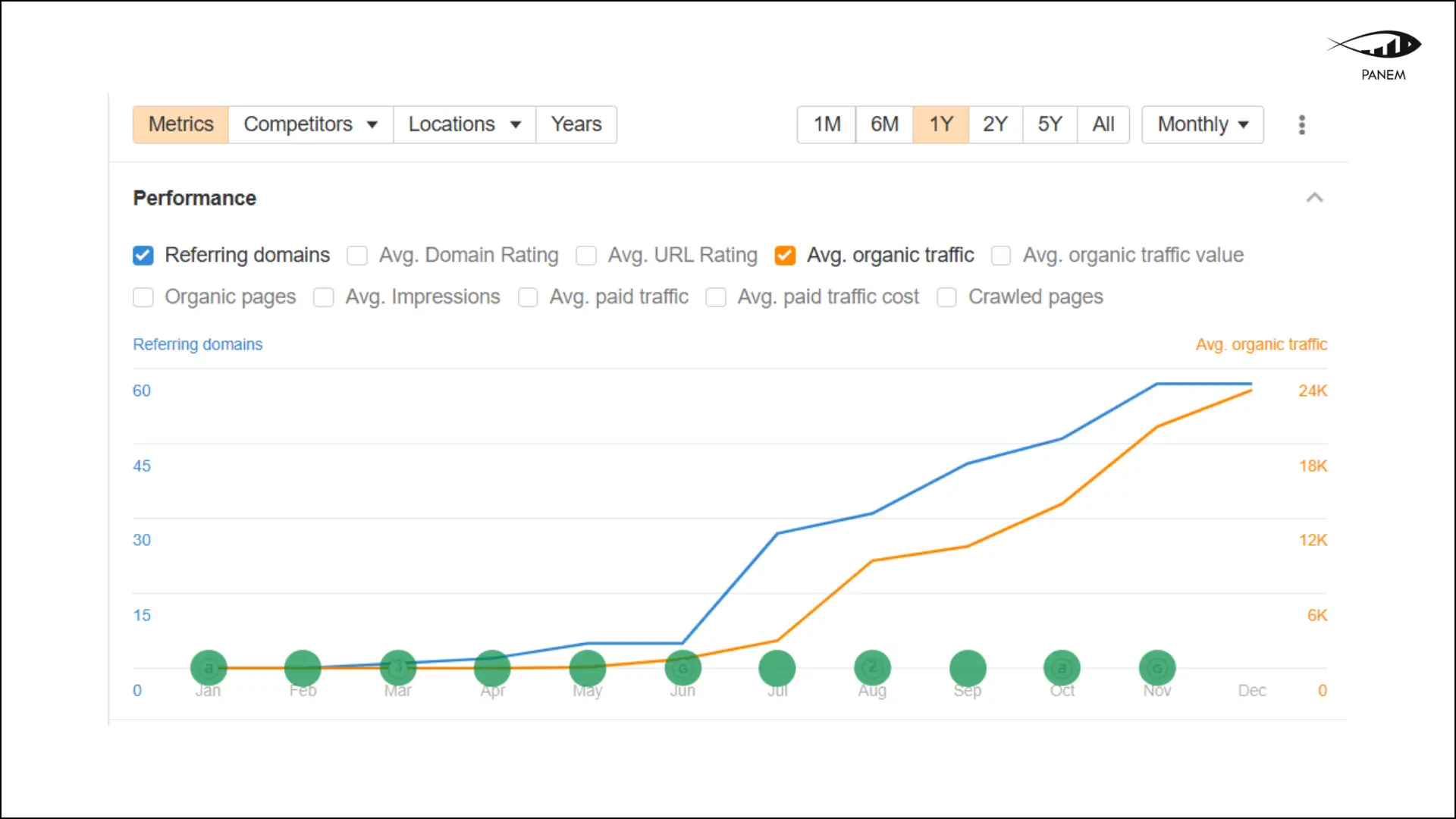
3. Progressive Link Profile Growth Boosted Organic Traffic
After implementing the link-building strategy, the number of referring domains tripled, and monthly organic traffic reached 24,000 visitors.
Before launching the blog, daily traffic ranged between 800–1,100 visitors, primarily representing a commercial audience. A significant increase in user engagement with the information is expected once the blog goes live.
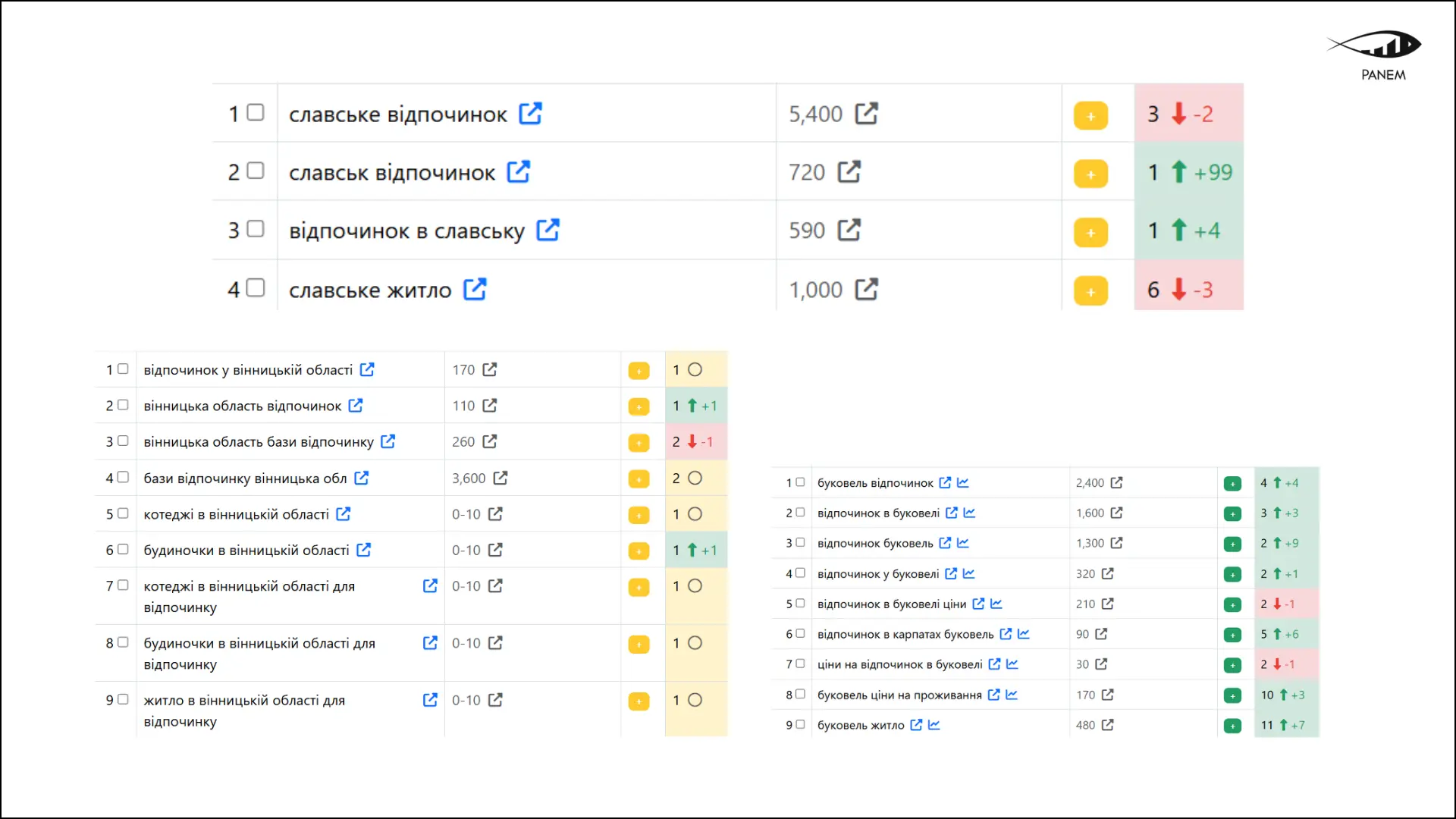
4. Top-3 Rankings for Most High-Frequency Queries
After six months of promotion, the project consistently holds leading positions in Google’s search results for key queries related to vacations in the Carpathians.
Keywords with search volumes from 1,000 to 33,000 rank between 1st and 3rd place, ensuring strong visibility and a high level of organic traffic.
Project Insights
- SEO should start before the website launch. This approach saved Hutshub several months of indexing time and helped achieve results faster.
- React and SEO are compatible. With proper SSR configuration, custom SPA websites can be indexed just as effectively as classic CMS platforms.
- Localization is the key to relevance. Queries like “vacation in the Carpathians” and “cottage in Bukovel” generated 3–4 times more traffic than general search terms.
- Link quality matters more than quantity. Backlinks from local travel websites and blogs boosted trust faster than bulk link purchases.
- Client communication is critical. Close collaboration with developers helped avoid errors even before the site went live.
What the Business Gained After Working with Panem
- A steady flow of bookings without additional advertising costs.
- Top-3 Google rankings for core commercial keywords.
- Increased brand awareness among travelers and property owners.
- Transparent analytics — the client can track all events and micro-conversions in GA4.
- Scalability readiness — the SEO structure allows expansion into other regions.
- Lower cost per lead thanks to high-intent organic search traffic.
Conclusions
This key shows that even in a highly competitive niche, you can achieve results quickly when SEO is integrated into the development process from the very beginning.
Hutshub has become an example of how the right strategy, technical accuracy, and a systematic approach can deprive a young brand of reaching the top of Google’s search results alongside the giants of the market.
SEO is not only about position; it is about stable business results. And if you are launching a website that should attract customers, consider SEO even before the first page goes live.
Want to get your personalized Promotion Plan? Fill out the form and we will contact you shortly.
OTHER CASE STUDIES