Input Data Analysis:
Audience
- Small and medium-sized businesses — for storage and logistics.
- Construction companies — for on-site offices and material storage.
- Private clients — garages, workshops, and personal projects.
- Entrepreneurs — container-based business solutions (cafes, shops).
- Agricultural and industrial sector — for large-scale storage.
Competitors: Google Search Console and Google Analytics 4; Ahrefs and SE Ranking; Screaming Frog; Page Speed Insights.
Tools Used:
- Google Search Console and Google Analytics 4 – for traffic analytics, indexation monitoring, and conversion tracking.
- Ahrefs and SE Ranking – to analyze competitors, backlinks, and keyword performance across target regions.
- Screaming Frog – for website crawling, technical audits, and internal linking optimization.
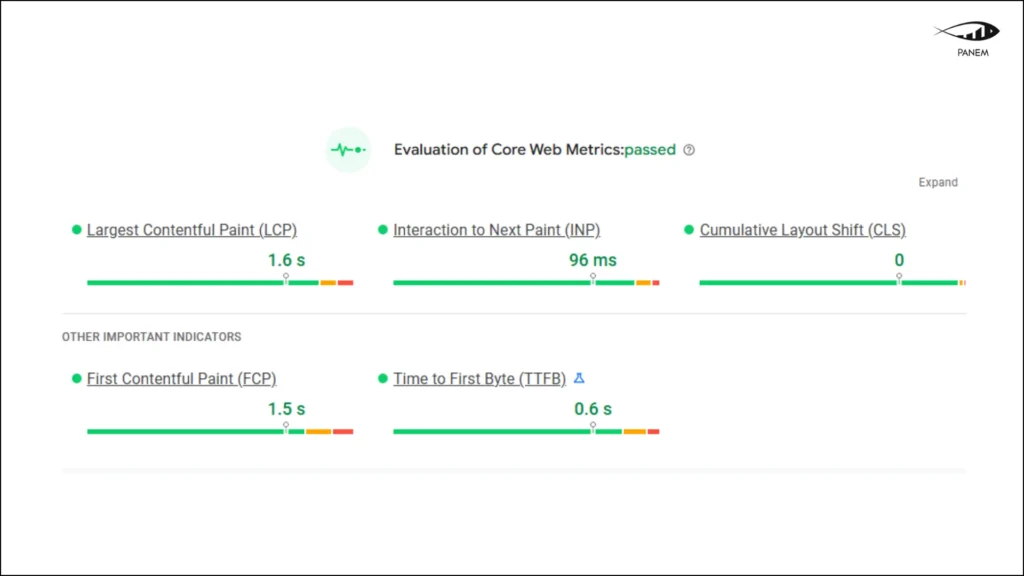
- Page Speed Insights – to evaluate and improve site loading speed and Core Web Vitals.
Positive Factors. Before starting SEO, the website already had a few strengths that contributed to its baseline organic visibility:
- Recognizable brand name within California, with a strong regional reputation in the shipping container market.
- The website domain included relevant keywords such as containers and California, improving topical and local relevance.
- Presence in multiple business listings and directories, which supported local SEO performance.
- Existing organic traffic and impressions are driven by branded queries and returning users.
Negative Factors. Before SEO, the website had several critical technical and structural issues:
- Poor site structure and weak internal linking — key pages lacked sufficient authority.
- Duplicate pages due to improper canonicalization and URL parameters — leading to keyword cannibalization and wasted crawl budget.
- Slow loading speed caused by a heavy theme, excessive scripts, and unoptimized images (poor Core Web Vitals).
- Missing canonical tags — resulting in competing URLs in the index.
- Weak on-page structure (H1–H2) — making it harder to define page relevance.
- Lack of structured data (schema) — limiting rich snippet opportunities and lowering CTR.
Purpose. The primary objective of the SEO campaign was to enhance the website’s organic visibility and lead generation across California by resolving technical issues and optimizing crawl performance.
Tasks:
- Conducting a full technical audit to identify crawlability, indexation, and speed issues.
- Restructuring the site architecture to create clear navigation between product categories, service pages, and location-based landing pages.
- Fixing duplicate and non-canonical URLs to ensure proper indexation and eliminate cannibalization.
- Implementing technical optimization, improving Core Web Vitals, and reducing load time.
- Creating and optimizing on-page content on collection pages (H1–H3 headings, meta tags, internal linking, product descriptions).
- Optimizing product pages, rewriting titles, meta descriptions, and adding more useful info and internal links.
- Adding structured data (schema markup) to enhance SERP visibility.
- Developing local SEO landing pages targeting key California cities.
- Running a parallel blog strategy to capture informational traffic and share practical ideas for using shipping containers.
- Improving internal linking also using blog articles.
Stages of promotion
Technical Optimization
The website was built on an e-commerce Content Management System, which introduced a series of platform-specific technical challenges. One of the first steps in the optimization process was the selection and implementation of a lighter, more modern theme, which significantly improved Core Web Vitals performance and overall loading speed. This provided a solid foundation for migrating all essential categories and product collection pages.
A major focus was placed on eliminating duplicate pages that had been generated by the previous theme. In the old configuration, there were separate URLs under the /collections path displaying only product cards and corresponding /pages URLs containing text content. Both served the same search intent, resulting in duplication and keyword cannibalization. On the new theme, these were consolidated into unified /collections pages that included both products and optimized text sections. 301 redirects were carefully implemented from the former /pages URLs to preserve organic traffic and the benefits of prior off-site optimization.
Additionally, due to the nature of Shopify’s URL structure, where a single product could exist under multiple collections, canonical tags were properly configured to point all variations to the main /product URL, ensuring search engines recognized a single authoritative version of each product page.
This technical restructuring not only streamlined site architecture but also improved crawl efficiency, strengthened internal link equity, and set a cleaner, more scalable foundation for long-term SEO growth.
Content Optimization
During the promotion phase, the main priorities and client needs were identified to improve the visibility of key pages in search results. Based on a detailed competitor analysis, comprehensive on-page optimization was carried out for all /collections type pages through the implementation of high-quality textual content and well-crafted meta tags, including title and description.
A strong focus was also placed on creating blog articles covering diverse topics related to the use of shipping containers. Each article was strategically interlinked with relevant category pages, strengthening the site’s internal linking structure and improving topical authority across the domain.
Text content on product pages was further refined by strengthening keyword usage, key phrases were integrated naturally within selected parts of the copy, leveraging the H1 heading as a contextual anchor. This approach helped to increase the frequency and prominence of the target query without compromising readability or SEO quality.
External Optimization
Some attention was also dedicated to external optimization. The key priority pages that had undergone on-page improvements were further strengthened through guest posts published on thematically relevant websites, as well as press releases distributed across high-authority media outlets. By carefully selecting placement sources with strong topical relevance and organic traffic, the link-building process contributed to both long-term authority growth and sustainable search visibility.
Results
Quantitative indicators
- Ahrefs
Organic traffic metrics after significant changes to the technical optimization of the website.
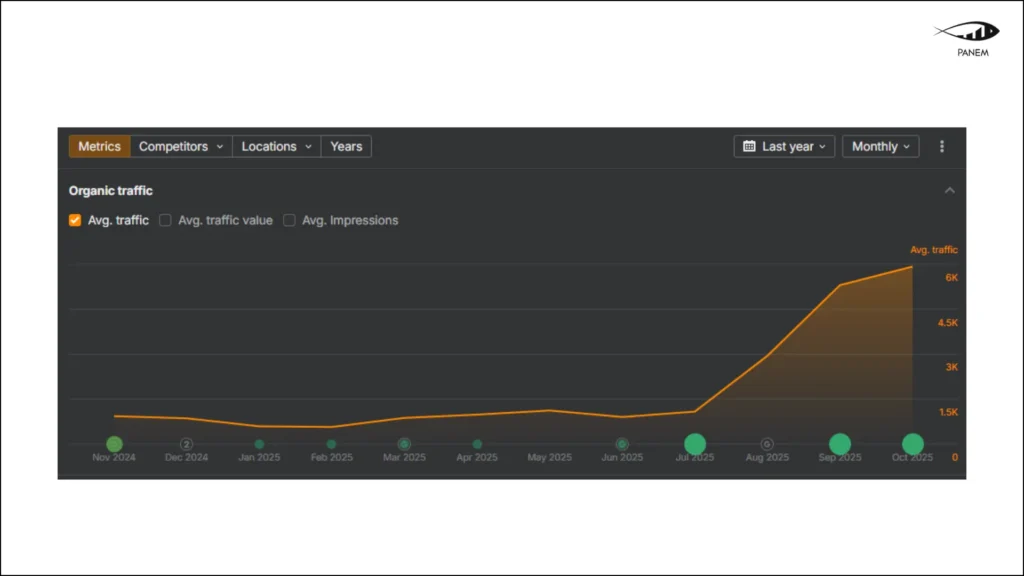
The average organic traffic for 1 month increased from 909 to 6000.
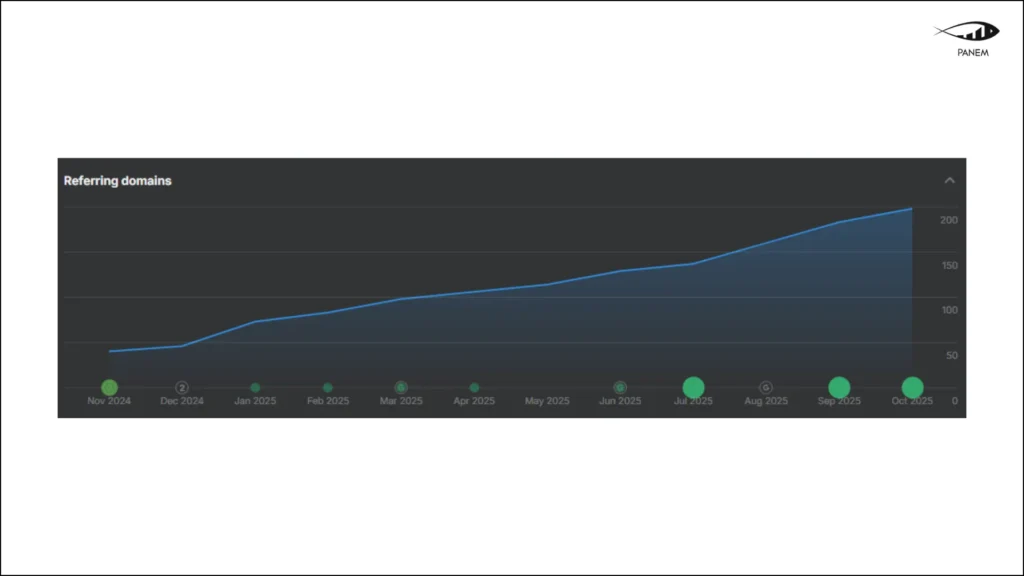
Indicators of stable growth in external links further support the website.
- Google Search Console
Data from Google Search Console for the last 12 months.
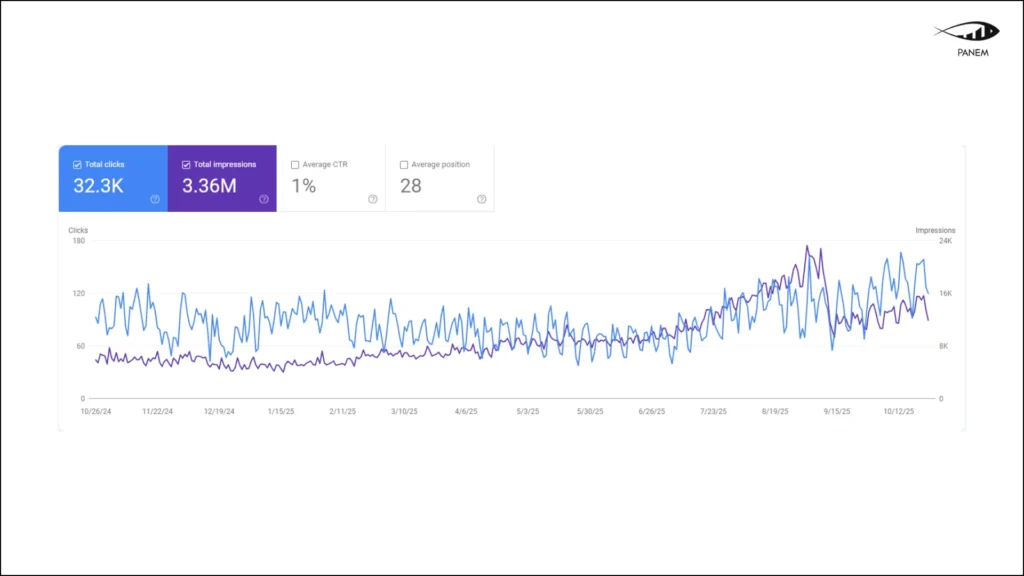
Data from Google Search Console for the last 16 months.
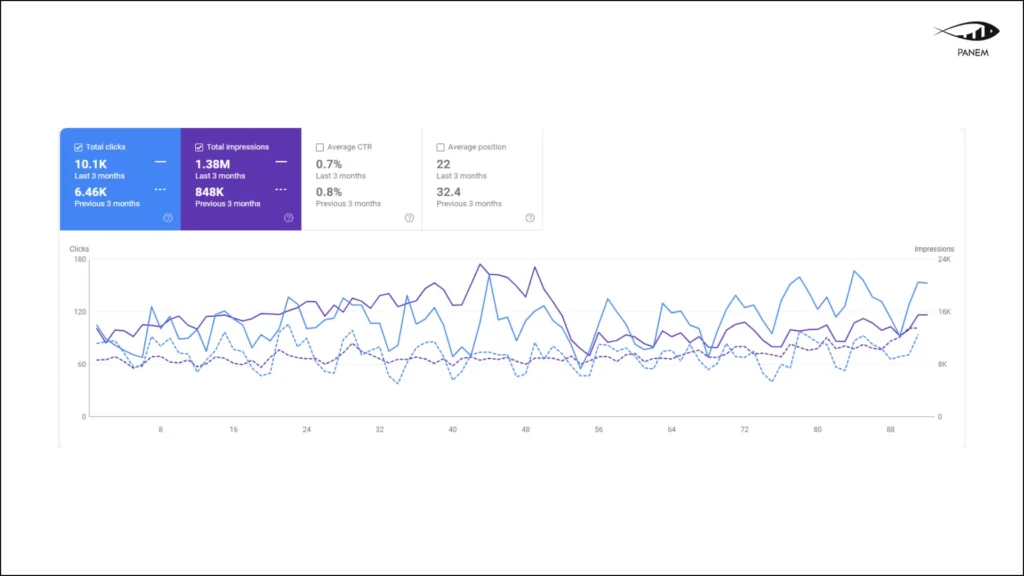
Over the last three months, the website demonstrated significant organic performance improvements according to Google Search Console data. Total clicks increased from 6.46K to 10.1K, representing a ~56% growth in organic traffic. Similarly, total impressions rose from 848K to 1.38M, marking an impressive ~63% increase in visibility.
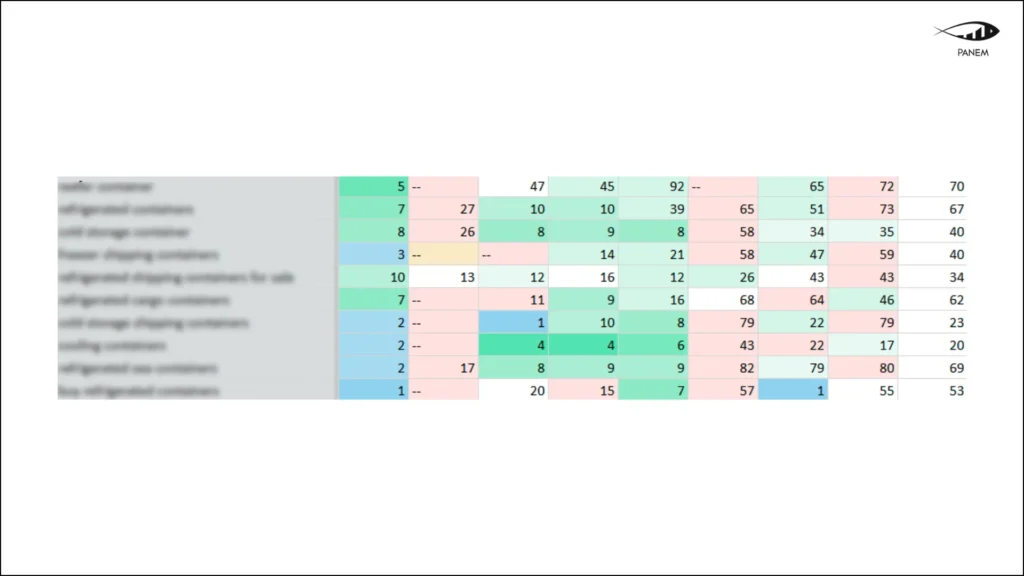
Positions
Priority category page positions after implementing technical optimization
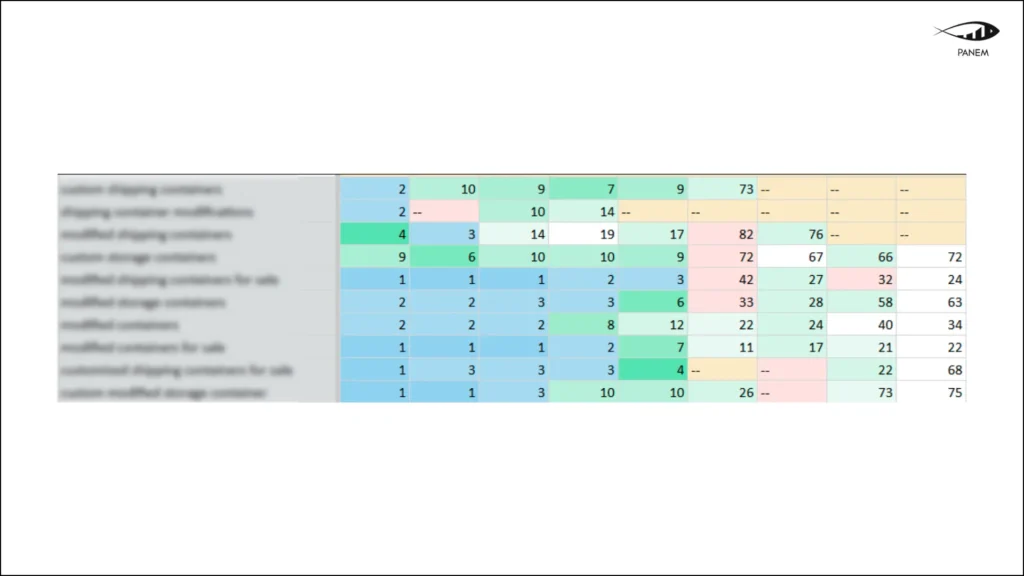
Other priority category page
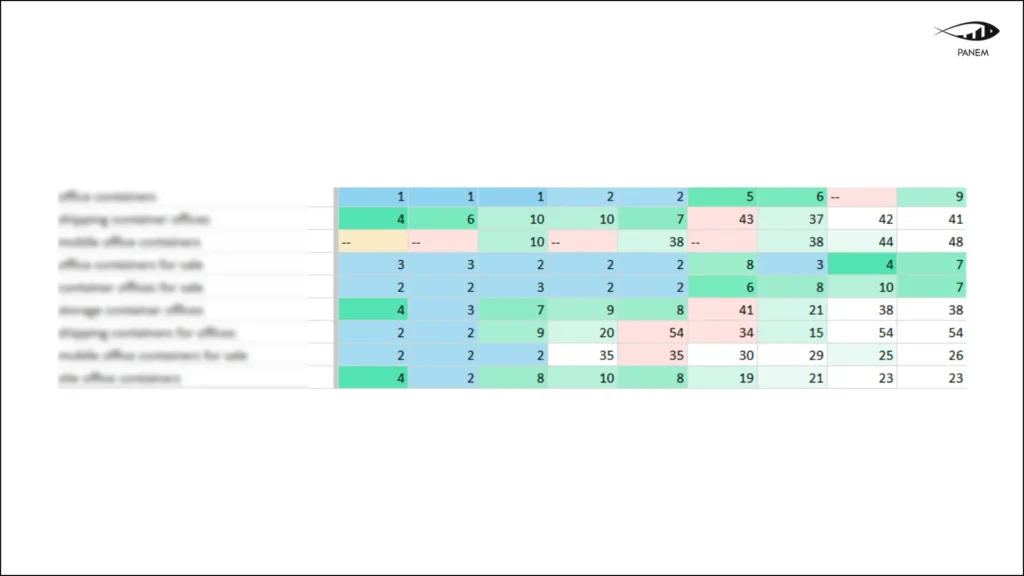
Yet another priority category page
Quality indicators
- Better User Experience and Engagement
The adoption of a lightweight theme and improved page load times contributed to smoother navigation and reduced bounce rates. Users now browse multiple pages per session, indicating stronger engagement.
- Enhanced Content Relevance and Search Intent Alignment
Optimized pages now better match user intent, leading to increased on-page engagement and longer average session durations. The website began appearing for more relevant query clusters in SERPs, according to the previous screenshots with position tracking.
What did the business gain from the collaboration?
Through this SEO collaboration, the business achieved measurable growth in both visibility and commercial performance. The optimization efforts led to a 56% increase in organic clicks and a 63% rise in impressions within three months, with the majority of this traffic directed toward priority product category pages.
These high-intent landing pages now attract more qualified visitors actively searching for container-related products, which directly increases the likelihood of conversions and order inquiries. Combined with improved technical performance, internal linking, and user experience, the website now serves as a stronger sales channel, effectively turning organic traffic into potential customers.
Conclusions
What Results Were Achieved?
- The website demonstrated steady organic growth, showing a 56% increase in clicks (from 6.46K to 10.1K) and a 63% rise in impressions (from 848K to 1.38M) over the last three months compared to the previous period.
- This growth was primarily driven by improved rankings and visibility of priority commercial pages, particularly product category collections, many of which reached the TOP 10 and even the TOP 3 positions for competitive, high-intent keywords.
- As a result, the site attracted more qualified visitors to its core category pages, increasing the likelihood of customer inquiries and product orders.
- The project also enhanced brand recognition and trust, positioning the company among the leading competitors in the container industry.
What Worked Best?
- Fixing technical issues such as canonical tags, duplicate content, and structured data errors.
- Developing and optimizing new /collections pages, merging product listings with relevant SEO text to improve keyword targeting and crawlability.
- Implementing strategic link-building through guest posts and press releases on trusted, thematically relevant websites.
- Enhancing internal linking between blog articles and category pages to strengthen topical authority and keyword distribution.
Why Was the Strategy Effective?
- The chosen strategy leveraged the brand’s strengths, a clear niche focus, and strong commercial intent behind key product categories.
- By combining technical, on-page, and off-page SEO, the campaign created synergy between performance improvements, content depth, and external trust signals.
- Focusing on high-intent category pages not only increased traffic but also improved conversion potential, ensuring sustainable organic growth and long-term visibility.
Want to get your personalized Promotion Plan? Fill out the form and we will contact you shortly.

OTHER CASE STUDIES