Initial Data
Problem: High competition in Lviv — most search queries like “quest room Lviv” and “escape room” were already dominated by strong competitors. The client’s self-managed ad campaigns generated clicks but no bookings, leading to inefficient budget spending.
Goal: Maintain a steady flow of bookings during the off-season (November–February) and reduce the cost per conversion.
Tasks:
- Relaunch ad campaigns based on audience behavior and intent.
- Optimize daily budgets according to demand peaks.
- Achieve top positions in Google Ads search results.
- Ensure campaign profitability even during low season.
Data Analysis
Audience: Young adults (18–35), couples (20–40), families with children, corporate clients, and event agencies.
Competitors: Other escape rooms in Lviv — Boom Room, Insomnia, Escape Lviv, and others.
Tools: Google Ads, Google Analytics.
Promotion Stages
- Audit and Research
We conducted a full audit of the client’s Google Ads account and identified several key issues that were preventing campaigns from performing effectively. The previous campaigns used broad match keywords without qualifiers — such as “quest” or “Lviv entertainment” — which generated a large volume of irrelevant clicks and wasted ad spend without driving real bookings. Some ads were duplicated and lacked unique headlines or descriptions, which resulted in a CTR below the market average.
Additionally, conversion tracking was set up incorrectly: the system recorded only clicks, not actual bookings, meaning that analytics data didn’t reflect the true effectiveness of the campaigns.
We also analyzed the competitive landscape and assessed keyword seasonality using Google Trends. Demand peaked in October and May, while November to February showed a significant drop in search activity — the period when the client needed stable results the most.
- Search Campaign Launch
After completing the audit and restructuring the account, we moved to the search campaign launch stage. The main objective was to attract qualified traffic with a high likelihood of booking and train Google’s algorithm to better recognize relevant users. We started by relaunching the search campaigns, collecting new keyword sets, and segmenting them into ad groups based on intent and topic relevance.
Examples of initial keywords:
quest rooms Lviv, escape room Lviv, quest room in Lviv, quest room price Lviv, book a quest room Lviv, best quests in Lviv, quest reviews Lviv.
At launch, we applied the “Maximize Clicks” bidding strategy with a maximum CPC cap of 10 UAH. This allowed us to gather valuable data for further optimization while keeping budget usage efficient.
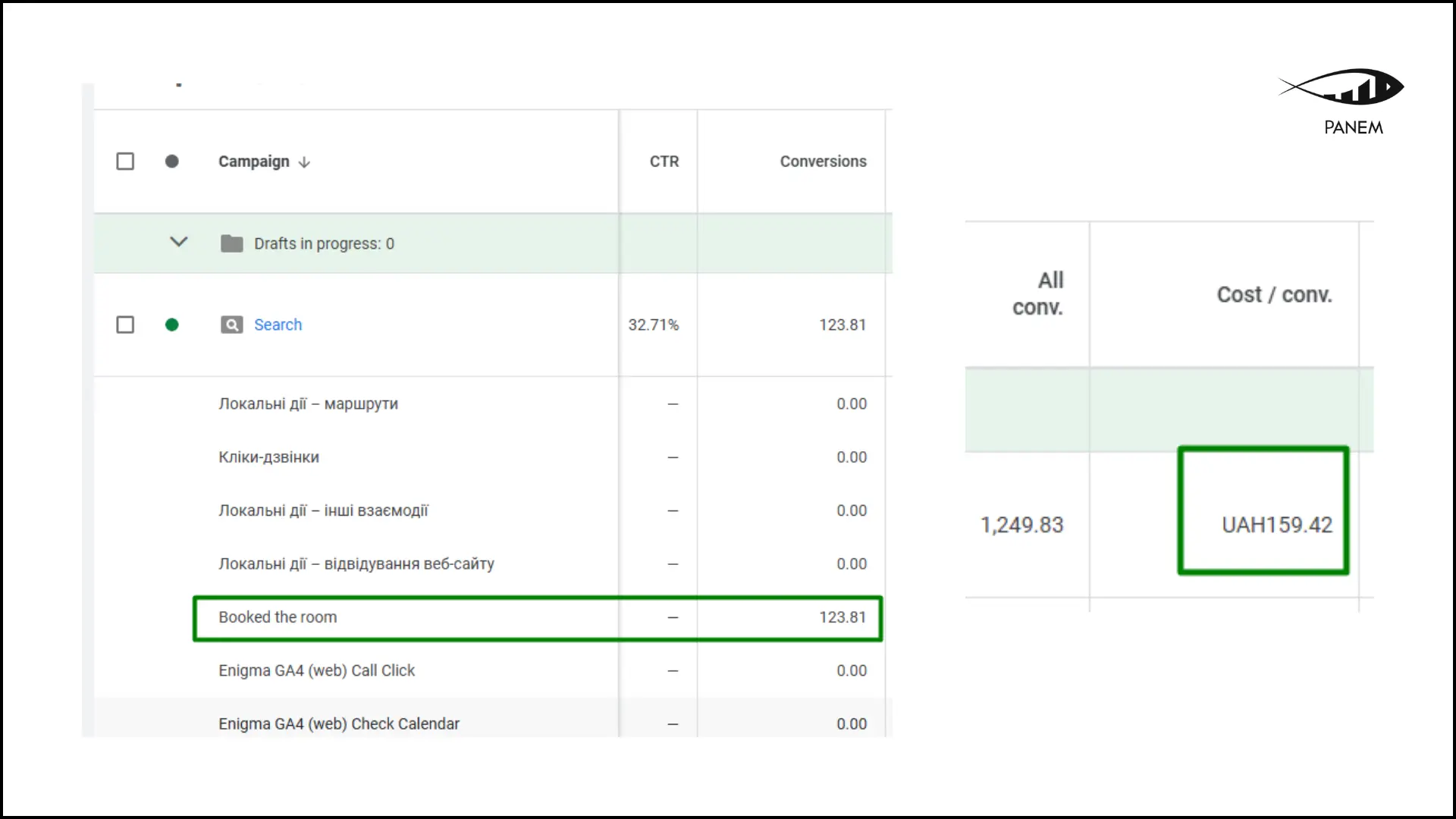
Within the first month, the campaign delivered strong initial results: with a daily budget of 600 UAH and a total spend of 19,100 UAH, the ads generated 123 room bookings. The average cost per conversion (CPA) was 159.42 UAH, and CTR increased to 6.8%, bringing the client’s ads into competitive visibility across Google search results.
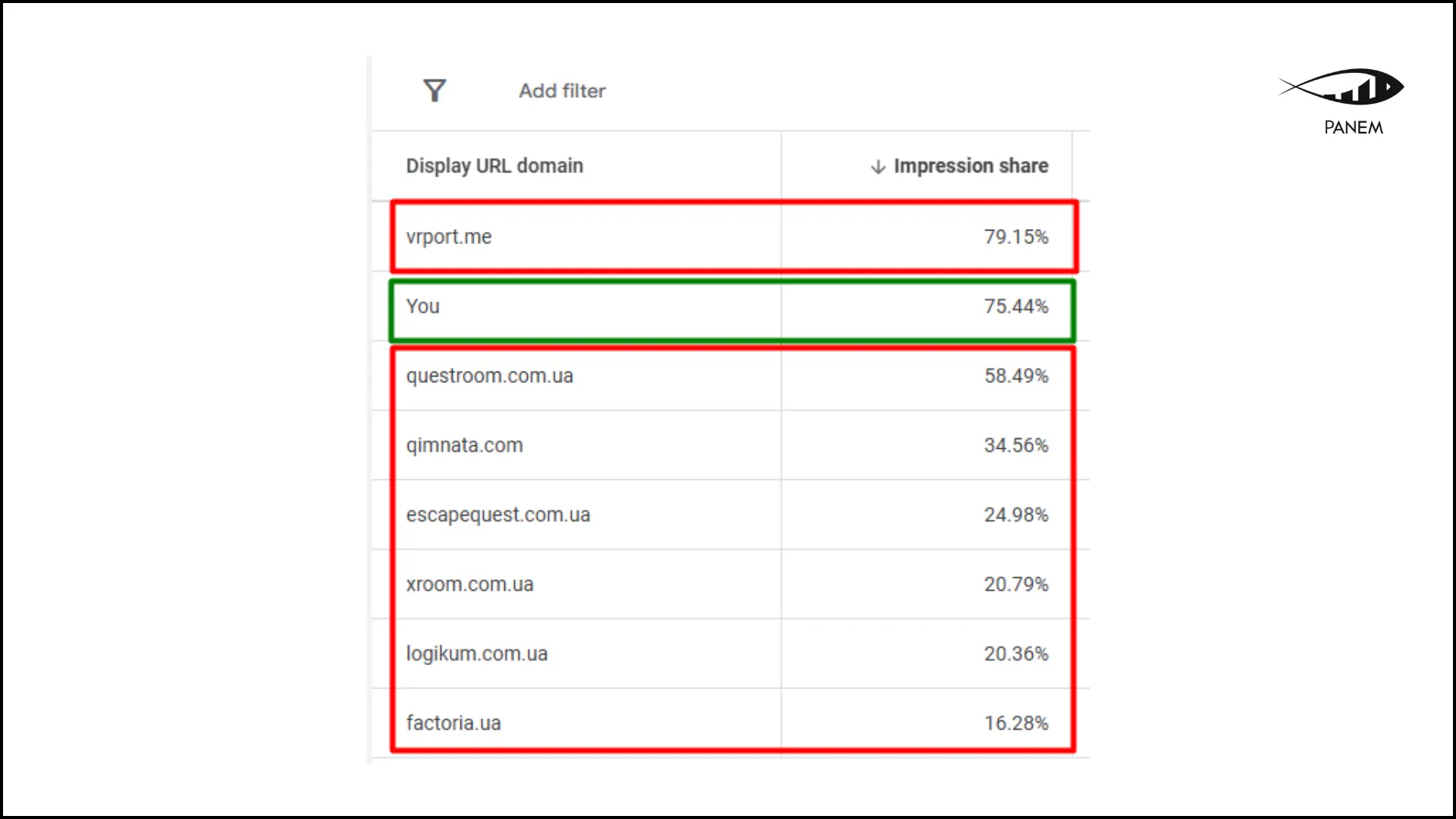
At the end of the month, the client’s website was consistently displayed in the TOP 2 advertising positions on Google, on par with the largest competitors in the niche.
- Performance Max and Display Campaign Launch
Once the account had collected enough data from search campaigns and the system learned to identify relevant audiences, we moved on to launching Performance Max — a campaign type that allows ads to appear across all Google platforms simultaneously, including Search, YouTube, Gmail, Maps, Display Network, and Discover.
The main objective at this stage was to scale performance, increase the number of bookings, and reach new audiences that hadn’t yet interacted with the brand.
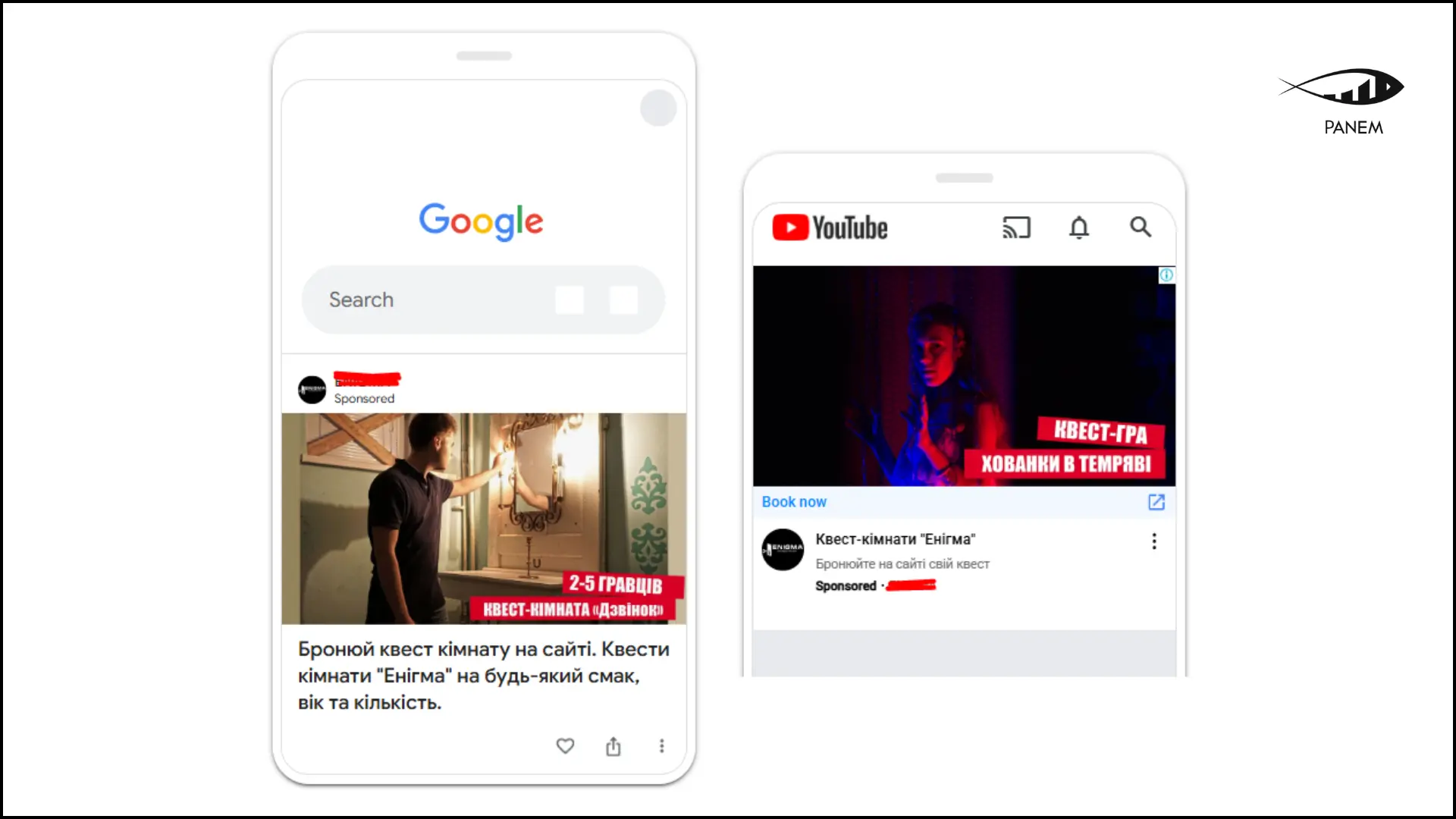
Each campaign had its own visual concept, ad copy, and creative approach tailored to the specific target group. In total, we produced a wide range of unique banners in different formats so that Google’s algorithm could test various combinations and automatically optimize for the best-performing assets.
Example ad visuals:
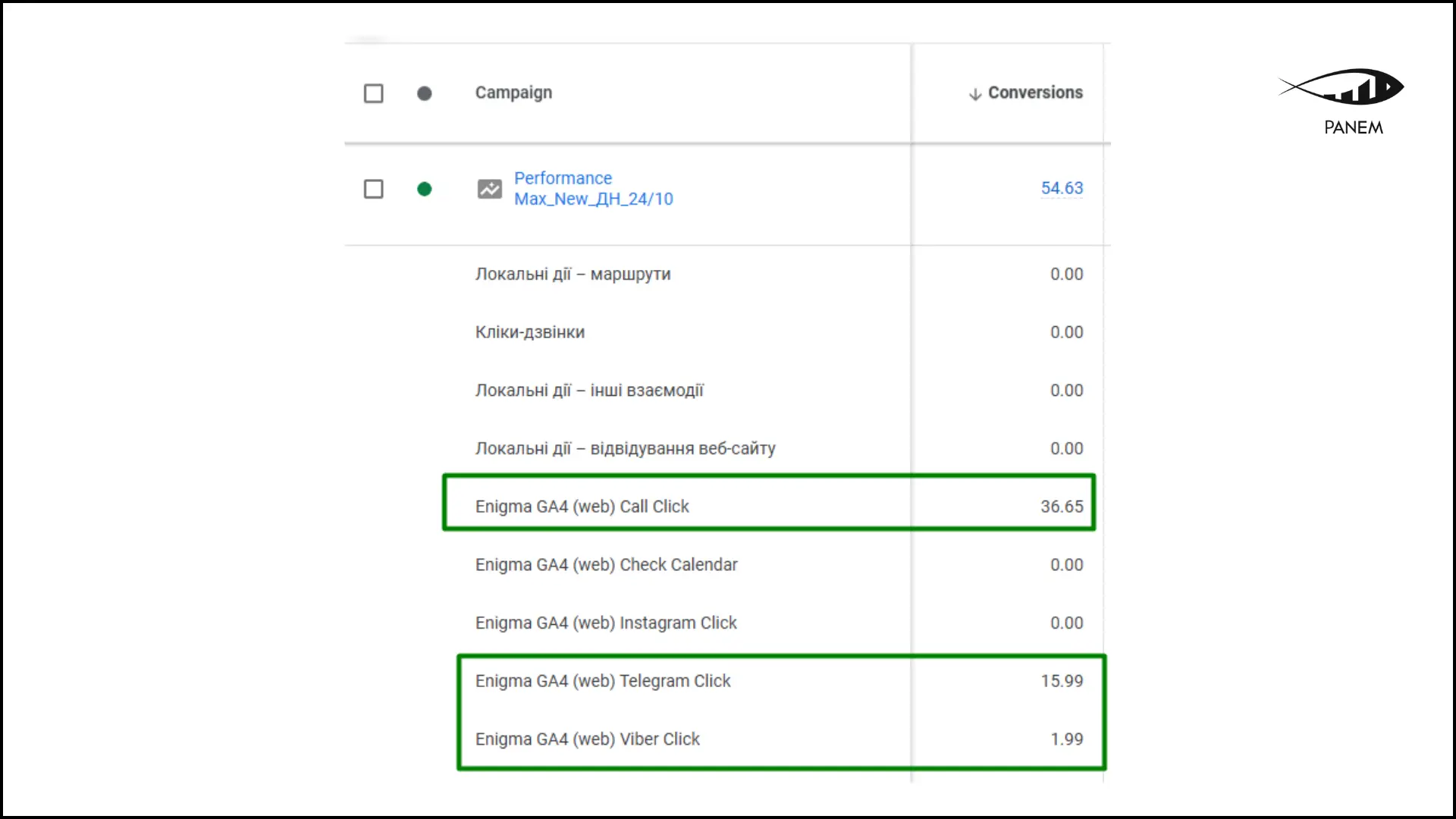
The results from this stage exceeded expectations. With a modest daily budget of just 100 UAH, the Performance Max campaigns generated 54 conversions in the first month, including 37 phone bookings, 16 Telegram inquiries, and 1 Viber click. The average cost per conversion (CPA) was 54.35 UAH, while the CTR for display ads reached 4.1%, an exceptionally strong performance for the entertainment niche.
As a result, within the first month of launching the display and Performance Max campaigns, the total number of bookings increased by 1.5× compared to the period when only Search campaigns were running.
- Optimization and Scaling
Once the ad campaigns began delivering consistent results, we moved to the optimization phase. The main objective at this stage was to reduce the cost per lead, improve lead quality, and maintain a stable booking rate during the off-season.
- First, we reconfigured the conversion tracking system, as the previous Google Ads setup was not accurately recording all valuable actions. We kept only “Room Booking” as the primary conversion goal — the key metric for measuring real business performance. Other actions, such as “Get Directions” or “Phone Clicks”, were marked as secondary so they wouldn’t interfere with Google’s optimization process. This allowed the system to learn specifically from users who actually completed a booking, rather than those who simply visited the website — significantly improving campaign accuracy and efficiency.
- Second, we adjusted budget distribution by day of the week. According to insights from Google Analytics, the highest demand occurred between Friday and Sunday, while weekday activity was notably lower. We increased the daily budget by 30% on weekends and reduced it by 20% on weekdays. This strategic redistribution maximized conversions during peak periods without increasing the overall monthly spend.
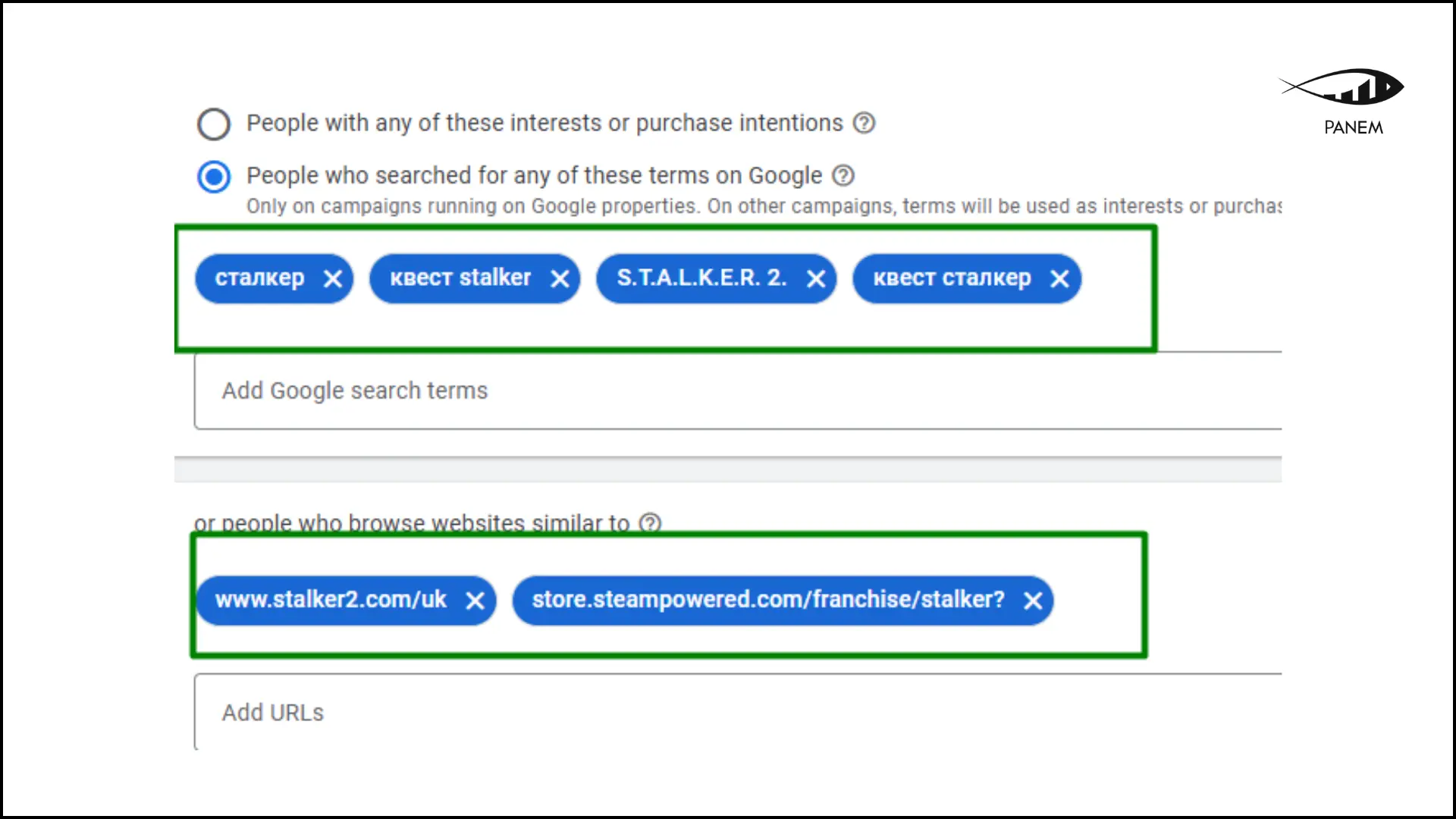
- The third step was the creation of dedicated Performance Max campaigns for best-performing rooms — the client’s top-selling quests. In the fall of 2024, a major pop-culture event emerged: the release of S.T.A.L.K.E.R. 2: Heart of Chornobyl. We noticed a sharp rise in related searches on Google Trends — queries such as “Stalker game,” “Stalker escape room,” and “play Stalker online” more than tripled. Together with the client, we decided to capitalize on this trend: the client launched a new Stalker-themed quest room, and our team built a tailored advertising campaign around it.
The target audience was clearly segmented — fans of computer games, Steam and PlayStation users, and subscribers of popular gaming YouTube channels.
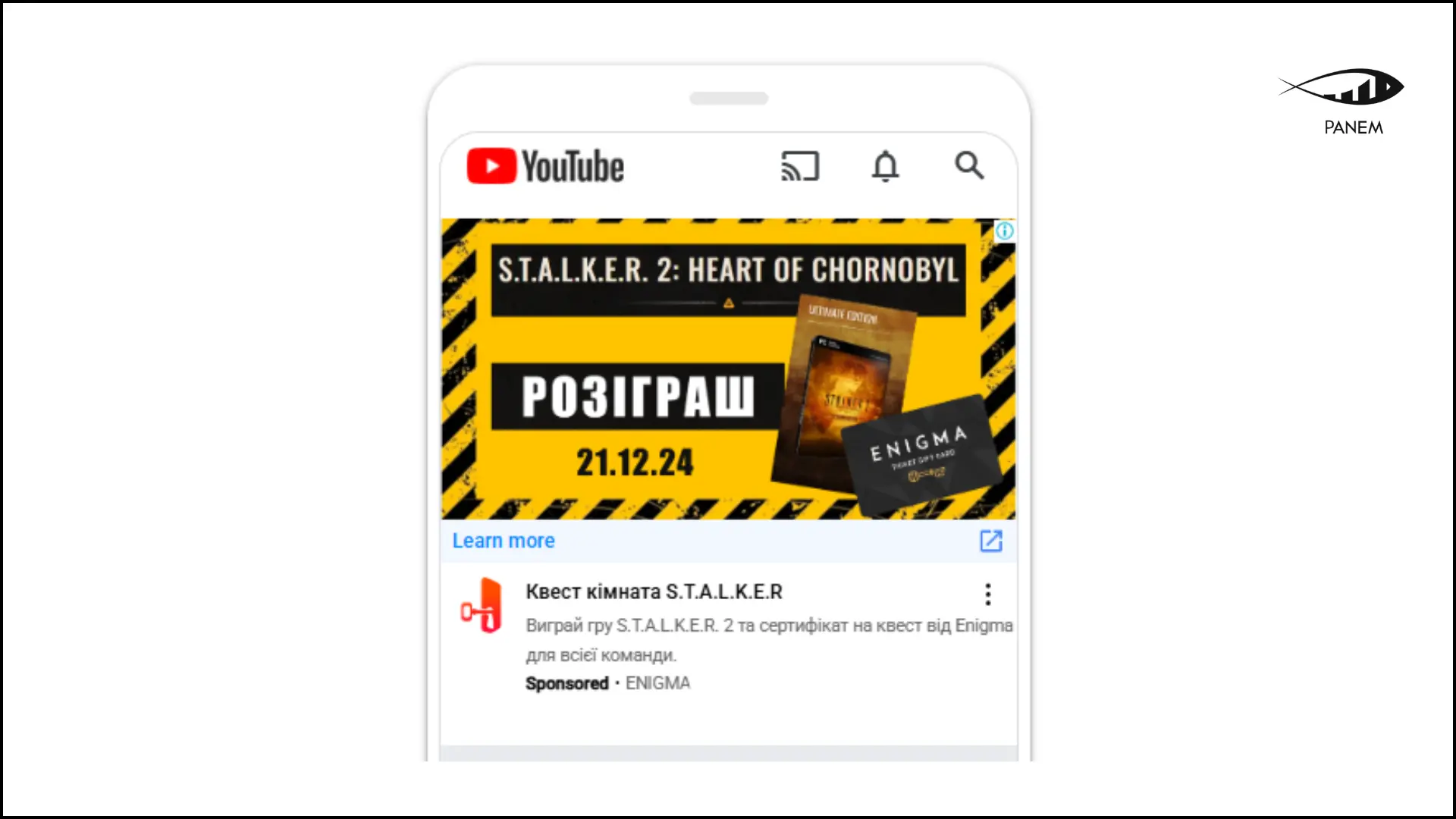
For this campaign, we designed unique visual creatives that reflected the mood of the game — neon lighting effects, dark backgrounds, and radioactive iconography — to fully capture the immersive Stalker atmosphere.
As a result, just one month after launch, the cost per conversion dropped to 49 UAH, while the total number of bookings increased significantly. The client achieved 90% room occupancy booked a month in advance, setting a new performance record for the business.
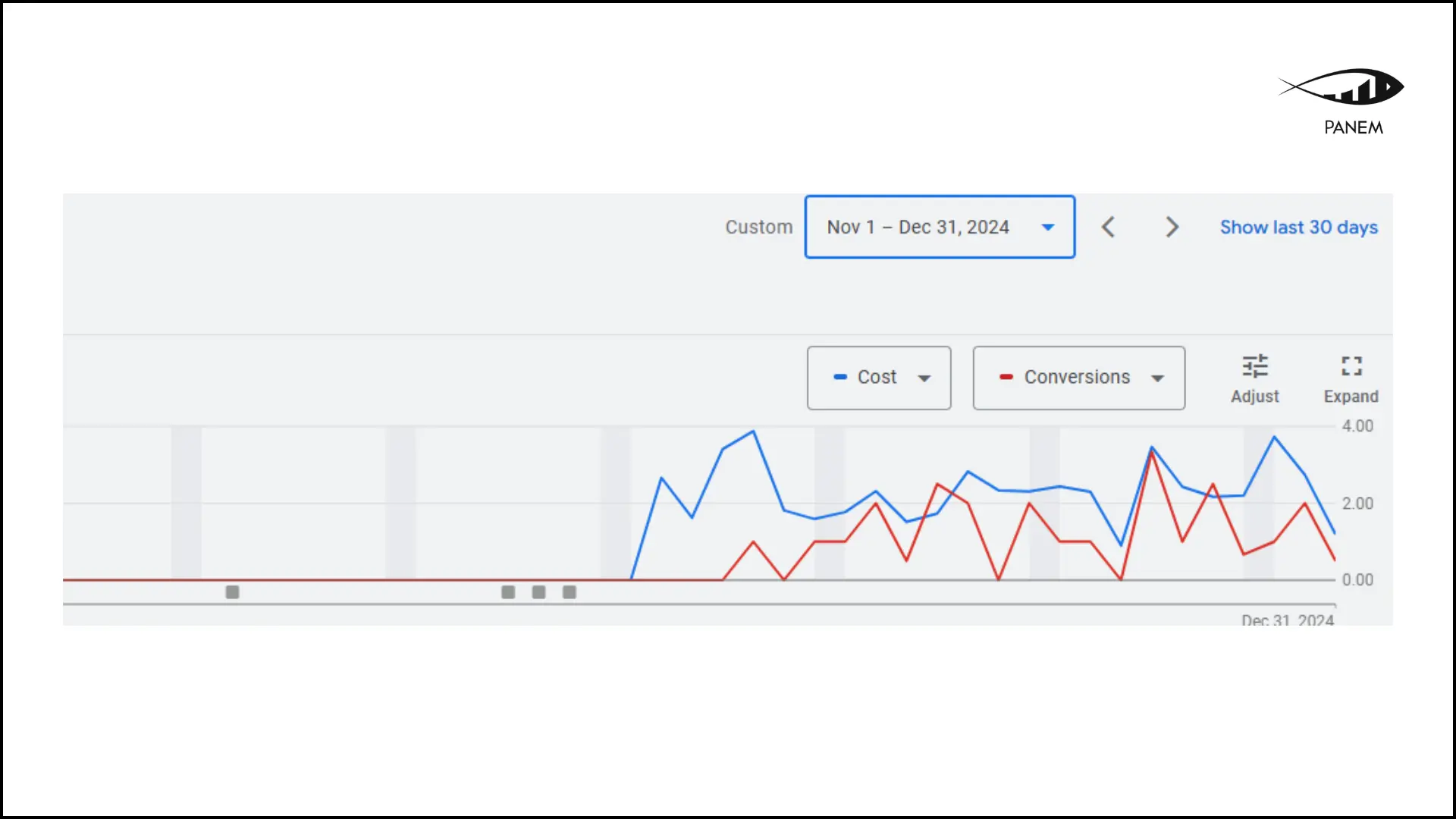
In summary, precise conversion tracking, flexible budget allocation, and the integration of trending topics into the ad strategy not only ensured stability during the off-season but also elevated the business to a new level of marketing efficiency.
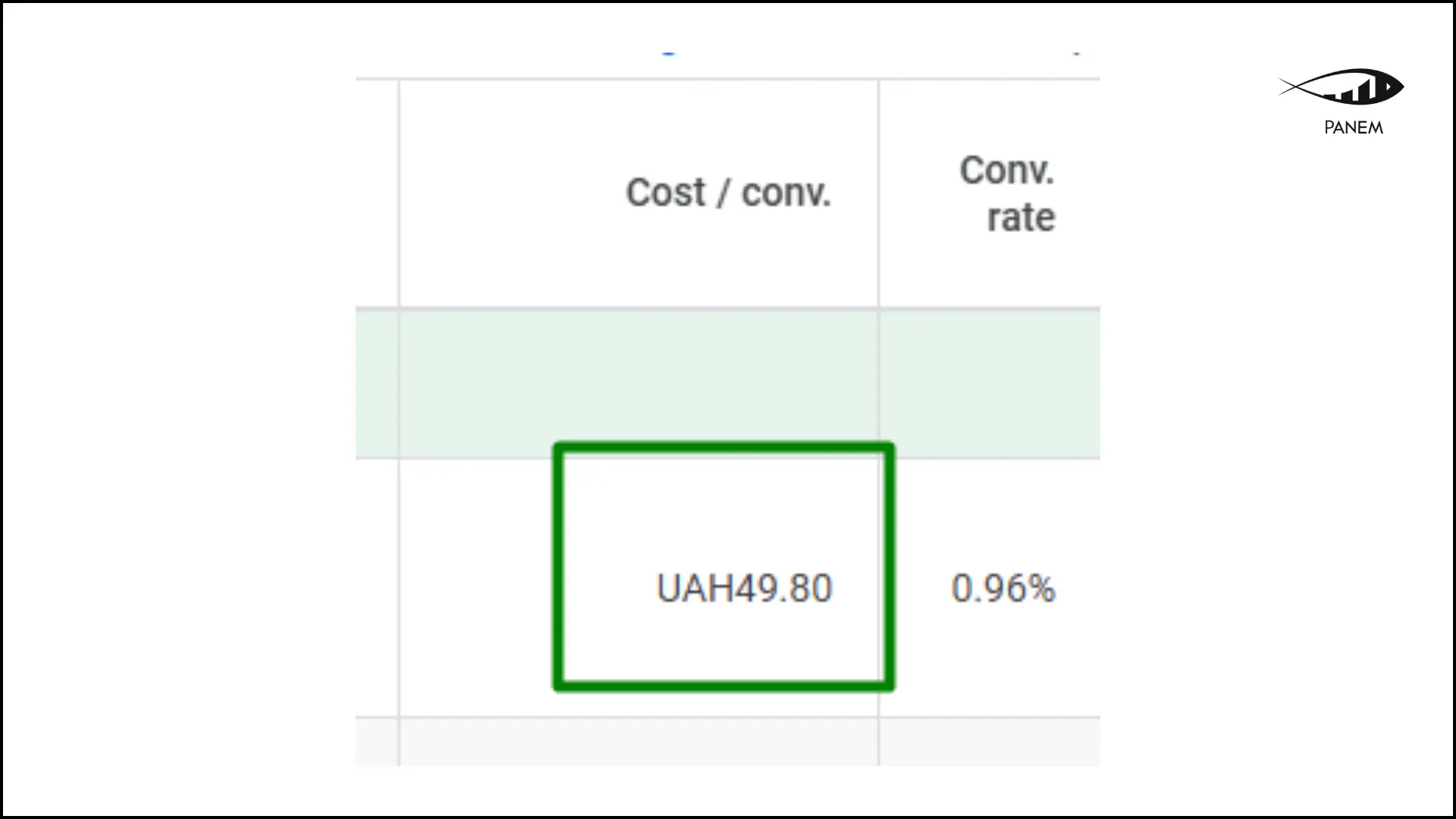
What Did the Business Gain After Advertising with Panem?
- A stable flow of bookings and predictable monthly revenue
- New customer segments reached (companies, couples, and gamers)
- Cost per lead reduced by nearly three times
- Opportunity to scale the business to other cities
Conclusions
This case proves that success in PPC campaigns lies not only in technical precision but also in the ability to think strategically. It’s not enough to simply launch ads — continuous data analysis, audience behavior tracking, and quick adaptation to demand shifts are what truly drive results. Through systematic analytics, hypothesis testing, and a deep understanding of seasonality, we maintained high campaign performance even during the lowest-demand months.
By combining creativity, data-driven decision-making, and timely adaptation to trends — such as the S.T.A.L.K.E.R. 2 game release — we turned the “off-season” into a period of growth. The campaigns not only sustained a consistent stream of bookings but also unlocked new audience segments, including gamers, corporate teams, and families. This approach not only boosted conversions but also strengthened the brand’s position in the local entertainment market, establishing a solid long-term competitive advantage.
Want to get your personalized Promotion Plan? Fill out the form and we will contact you shortly.

OTHER CASE STUDIES